AI video editing in Nepal: what to know before you hire an editor
Hire a video editor in Nepal who edits for phones with the sound off, checks Nepali captions by hand, uses AI for the slow parts and quotes in NPR.
I edit video for Nepali brands from Kathmandu: captioned reels for Facebook, Instagram and TikTok, event promos, product ads and explainers. AI handles the slow parts, like transcripts and first cuts, and I make every creative call. Captions can be in Nepali, English or both, and quotes come in NPR.
Message on WhatsAppViberCall +977 9849274961Or book a 30-minute call
Most people here watch on a phone, scrolling Facebook, TikTok and YouTube, often without sound. So reels open with a hook in the first seconds, carry captions that read without sound, and come in vertical sizes.
I have cut event promos for an entrepreneurs’ meetup, a code camp and college clubs in Kathmandu, and I document culture on my own YouTube channel, such as Bhailo nights in Chitwan.
For apps and products, a production system makes short videos in batches, like the 65 shorts made for WideMath, a free math tool built in Nepal.
 Play on YouTube
 Play on YouTube
 Play on YouTube
AI video editing in Nepal, as I do it from Kathmandu, means I edit your video myself and let AI handle the slow, mechanical jobs: the first transcript, the caption timing and a rough cut of long footage. Everything the viewer notices is my call: what stays in, how fast it moves, what the music does and how the Nepali text reads. I edit reels and ads, event promos, college and club videos, music videos, wedding films and YouTube channels, and every quote is written and in NPR.
I am a video editor in Kathmandu. The software does the typing and the searching for me, which makes captions and first cuts faster. It turns speech into text, so I can search a recording by words instead of scrubbing a timeline. Suppose you recorded a long panel at a college fest: the transcript shows me where each answer starts and where the speaker repeats the point, so I can pick the strongest few minutes quickly.
What it cannot judge is which answer the audience will remember, whether a joke works in Nepali, or that the chief guest’s name is spelled one way on the invitation and another in the script. An unguided tool returns the average of what it has seen, so I give it written rules for each job and watch every video myself before you see it.
I work in two ways. The first is hands-on: in Premiere Pro I select shots ruthlessly, and in After Effects I add the motion text. The colour comes from a LUT library (saved colour looks), and the music leads the cut. The second is for repeated formats, such as a weekly reel: a script and storyboard become a video built from code, a computer renders it, and an editing agent reviews its own frames before I watch the result.
Most of your viewers hold a phone, often an Android on mobile data, and watch in short gaps: at a shop counter, between classes, in a queue. Many have the sound off. So I plan every video for the small screen first.
Whether it is reels editing in Nepal for a shop or TikTok video editing in Nepal for a college club, the first moment decides most things. I put the strongest line or image there and move the logo to the end. The frame then depends on where the video will live, so tell me the platforms before I start and I will re-frame each size so faces and text stay in the picture:
One thing to decide first is the language on screen, and it should follow the viewer: a local shopper may want Nepali, a student applying abroad may want English, and a family wedding film may want both. I set Nepali subtitles and captions in Devanagari, or in Roman letters when that is how your audience types Nepali online. When a speaker switches language mid-sentence, the captions keep the switch.
AI writes the first draft from the audio. I read Nepali, so I check every line against the voice myself, because the tools often stumble on names, places and English words inside Nepali sentences. I also check what a spell-checker cannot: whether a date is in Bikram Sambat, AD or both, whether numbers are in Devanagari or ordinary digits, and whether the verbs match the level of respect your brand uses with customers.
Devanagari needs a little more size and line space than English, because its letters carry marks above and below the line. I pick a font that stays clear on a small screen and keep captions to two lines. Nepali puts the verb last, so a word-by-word caption keeps the viewer waiting for the meaning, and I choose between single words and short phrases for each video.
Reels and TikTok videos get burned-in captions, and for YouTube I can add a caption file so viewers can switch languages. I work in Nepali and English. For another language, such as Maithili or Nepal Bhasa, tell me at the start so we can find a native speaker to check the captions.
The job of an event promo is to make the right people show up or sign up. I cut promos for an entrepreneurs’ meetup, HYPERCE x BEAMSTART, and for Code Camp 2024, a job for LOCUS at IOE Pulchowk. Each runs about half a minute, enough for a date, a place and a reason to come.
From you I need a short list: the event name spelled as you want it, the date, the venue, a registration link or QR code, sponsor logos and a few clips from last year if you have them. College and club videos work the same way. I made a twenty-second introduction for an IT Club, for students deciding whether to join, and a fest teaser or a recap fits the same format.
This is where I started. Around 2019 I began filming cultural nights in Chitwan, including Bhailo, the house-to-house singing and dancing of Tihar. I documented Bhailo 2080 and published it on my YouTube channel, and I shot a Langtang trek reel on the a6700.
A documentary asks for different habits than a promo. I ask permission before filming a ritual or inside a home, I let natural sound breathe, and the film follows the order of the occasion itself. A homestay or a community programme can use the same approach, with a short cut for Facebook and a longer one for YouTube.
In music video editing the track leads and the picture follows. Darsan and Ud Jayega are music videos I edited, Big Black Car is a cinematic lyric film, and Haule Se is a cinematic reel. I listen for the beats and phrases first, place the cuts on them, then grade the footage with LUTs so it reads as one film.
A song release often needs more than one cut: the full video for YouTube, a vertical teaser for Reels and TikTok, and sometimes a lyric version. Send the finished audio file, not a phone recording, and the lyrics written out, so every word is spelled the way the artist wants.
A wedding is rarely one day. Families often have a mehendi evening, the ceremony and a reception, and each produces hours of footage. I have edited wedding films for clients, and I have worked behind a camera on wedding floors as well as campus stages.
I suggest two films: a highlight of a few minutes for Facebook and Instagram, and a longer one that keeps the ceremony, the speeches and the people the family wants to remember. Tell me which relatives, rituals or clips should stay private, and I keep them out of the public cut.
For relatives abroad who watch on Viber or WhatsApp, I can export a lighter copy while you keep the full-quality file. Songs from films and albums can get a public Facebook post muted, so choose music you are allowed to use.
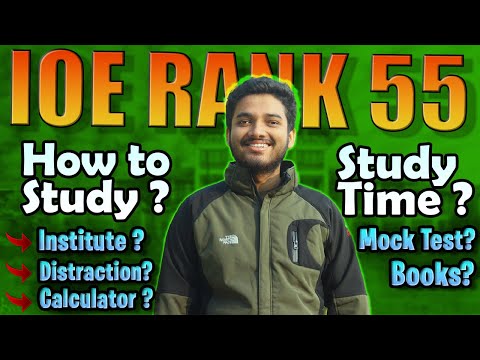
Dimension is my own YouTube channel for Nepali students who want to get into engineering colleges or find scholarships. Its PERSPECTIVE series interviews students who got in, and other videos walk through scholarships and study plans, including one on studying for +2 and the IOE entrance. I study engineering at IOE Pulchowk myself, and Dimension is the guide I could not find.
Because the channel is mine, I know what long interviews ask of an editor: clean audio first, a strong opening minute, captions in the language the viewer reads most easily, chapters, and a few Shorts cut from the best answers. You choose the topic, and I propose the cut for your approval.
I also cut talking-head reels with word-by-word captions for clients in the US. The AI video editing service page shows that side of the work.
If you run a shop, a cafe, a clinic or a boutique, the usual video job is a reel that says what you sell, who it is for and how to reach you. The twenty-second short I cut for Rhino Dash, a runner game for young children set in Sauraha, Chitwan, is the shape I mean: vertical and short, with captions you can read on mute.
Brands that post every week need a look they can repeat. I co-founded Appynox, an AI-first agency in Lalitpur, and one of our production systems produced 65 shorts for WideMath, the free math tools Appynox publishes, with every render passing automatic checks before I review it. The video at volume page has the details.
For a Nepali business we agree the look once, covering logo position, caption style, fonts and music, and I produce your reels in batches that follow a posting calendar. If posting and replying are what slow you down, the AI automation page for Nepali businesses covers that side.
Dashain and Tihar are the biggest shopping seasons for many shops, so festival content needs its own plan: the greeting in Nepali, English or a mix, the offer with its dates written the way your customers read them, and music you are allowed to use. I made a Bijaya Dashami 2083 greeting poster for a neighbourhood committee, and festival posters sit on the graphic design and branding page.
Most edits start with footage you already have, often shot on a phone, and that is fine. When a project needs new footage, I can film it in the Kathmandu valley with my Sony a6700: an interview, a shop, a college programme, a cultural evening. I usually film on my own with one camera, and I will say so plainly if a job needs more people.
Because I edit what I film, I film for the edit: a wide shot to open with, a clean shot to cut away to, room beside the speaker for captions. Tell me the location early, since temples and heritage sites have their own filming rules.
It starts with a message on WhatsApp or Viber. Send a few lines, or a voice note if typing in Nepali is slow: what you want the video to achieve, where people will see it and one video you like.
My quotes are not on a price list, because videos of the same length can differ a lot in how much work they take. The quote I send in NPR lists what is included, and these are the things that move it:
The quote also says how many rounds of changes are included, so extra changes are agreed before they happen. AI removes typing and searching, but I do not promise a lower price because it is involved. If you are comparing video editing services in Nepal, compare what each quote includes before the totals. My checklist for hiring an editor in Nepal lists the questions I would ask.
Write to me on WhatsApp or Viber at +977 9849274961 with the goal of the video, the platforms it is meant for and a link to one video you like. If you prefer to talk first, book a 30-minute call; footage is welcome, but an idea is enough. After that I write down the plan and add a quote in NPR.
It depends on length and how many videos you need. After a short call you get a written quote in NPR.
Yes: Nepali, English, or both on the same video.
Yes. Most reels start as phone footage. Send the files and I will say before starting if anything should be filmed again.
WhatsApp or Viber for quick messages, a shared folder for footage, and timestamped notes on each cut.
Outside Nepal, or want the full picture? See AI video editing, or every service in Nepal.
WhatsApp and Viber reach me fastest. Tell me what your business needs; you get a written plan and a quote in NPR.
Referred by someone? Mention them when you book.